Back to all articles Featured Article

ENVIRONMENTAL ALLERGIES IN AUSTRALIA

30 June, 2026 4 min read

Practical tips to help reduce symptoms

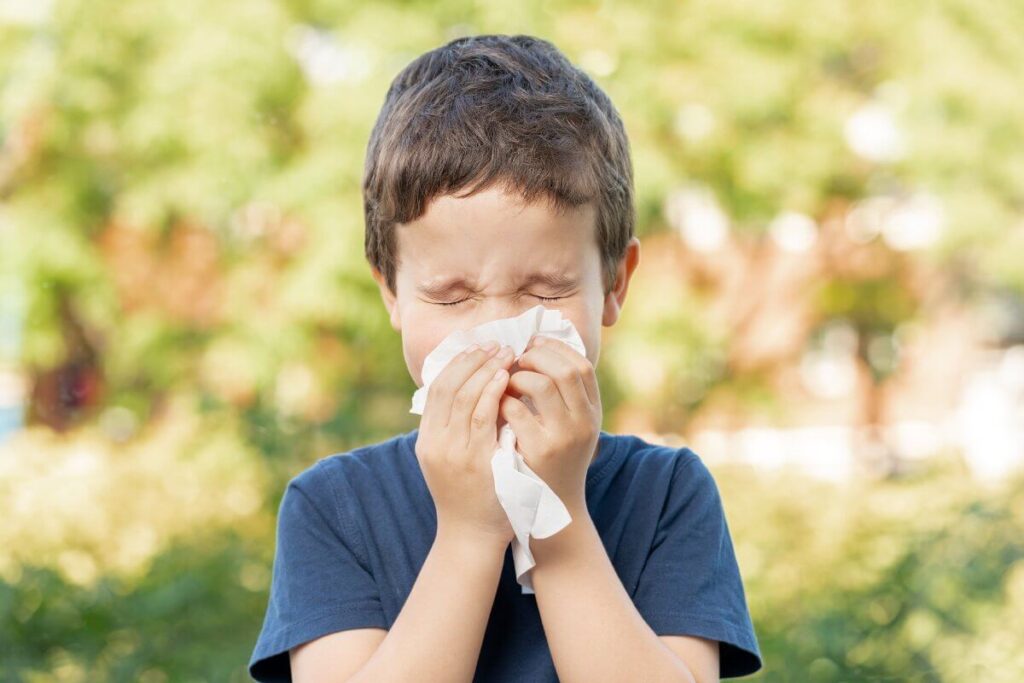
Environmental allergies are common in Australia and affect people of all ages. They occur when the immune system reacts to everyday substances in the environment, such as pollen, dust mites, mould or animal dander. Although allergies cannot always be prevented, simple steps can help reduce exposure to triggers and improve symptoms. Up to 1 in 5 Australians experience allergic rhinitis (hay fever).

COMMON ALLERGY TRIGGERS

  • Pollen from grasses, trees, and weeds (often worse in spring and early summer)
  • House dust mites
  • Mould spores
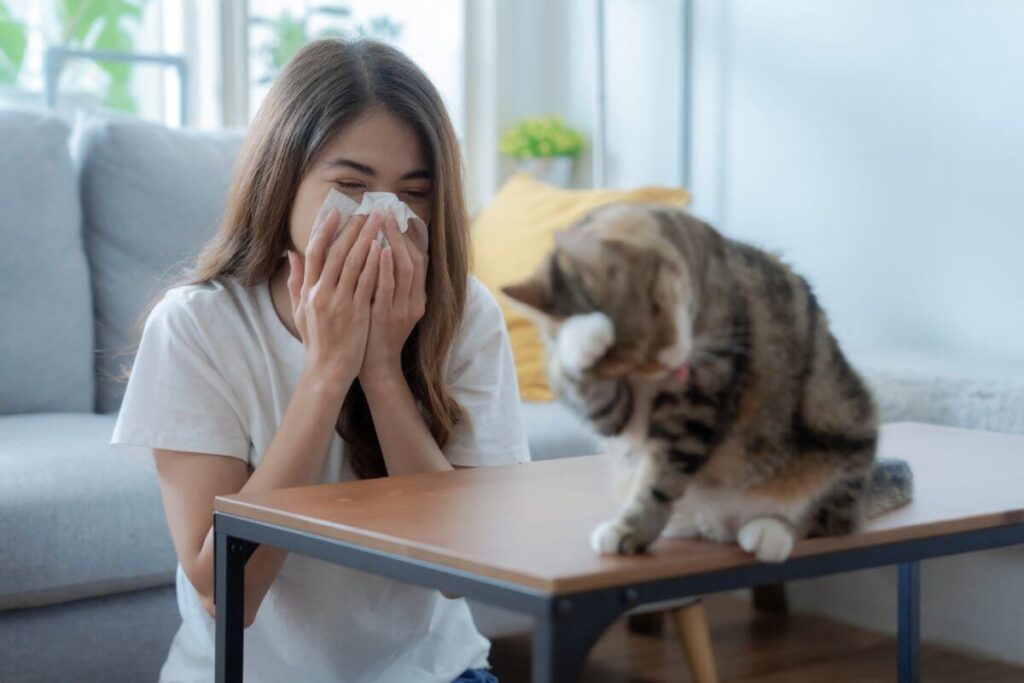
  • Animal dander (e.g. cats and dogs)
  • Smoke and air pollution, including bushfire smoke

REDUCING POLLEN EXPOSURE

  • Check local pollen forecasts during allergy season
  • Stay indoors on high-pollen or windy days
  • Keep windows and doors closed when pollen levels are high
  • Shower and change clothes after being outdoors
  • Dry clothes indoors during peak pollen periods
  • Wear sunglasses outdoors to help protect your eyes
COMMON-ALLERGY-TRIGGERS

MANAGING DUST MITES AT HOME

  • Wash bedding weekly in hot water
  • Use protective covers on pillows and mattresses
  • Reduce clutter and soft furnishings where possible
  • Vacuum regularly using a HEPA-filter vacuum cleaner (e.g. cats and dogs)
  • Keep indoor humidity low if possible

PREVENTING MOULD

  • Ventilate bathrooms, kitchens, and laundries well
  • Fix leaks and water damage promptly
  • Clean visible mould safely as soon as it appears
  • Avoid storing items in damp or poorly ventilated areas

REDUCING PET ALLERGENS

  • Keep pets out of bedrooms
  • Wash pet bedding regularly
  • Wash hands after handling animals
  • Vacuum carpets and furniture often
MANAGING-DUST-MITES-AT-HOME

SMOKE AND AIR QUALITY

  • Monitor air quality alerts, especially during bushfire season
  • Stay indoors when smoke levels are high
  • Use air conditioning on recirculate if available
  • Avoid outdoor exercise during poor air quality days

MANAGING ALLERGY SYMPTOMS

  • Use saline nasal sprays or washes to help remove allergens
  • Drink plenty of fluids
  • Avoid known triggers where possible
  • Speak with your pharmacist, GP, or expert allergy doctor if symptoms persist

WHEN TO SEEK MEDICAL ADVICE

Seek medical advice if:

  • Symptoms are ongoing or getting worse
  • Allergies affect sleep, school, or work
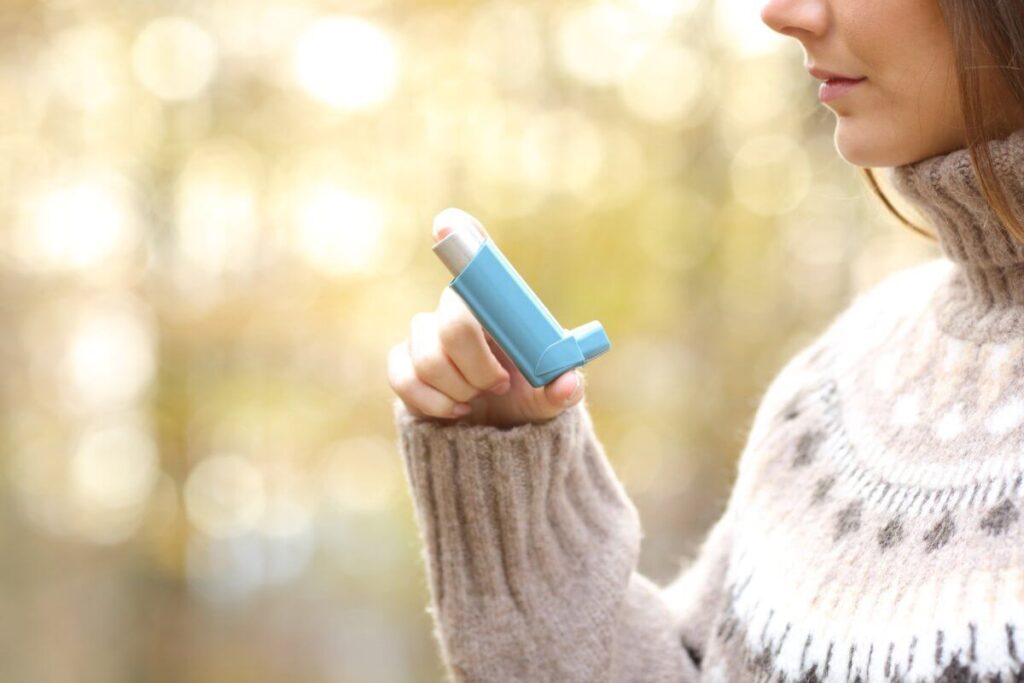
  • You experience wheezing, breathing difficulties, or asthma symptoms
  • Over-the-counter treatments are not effective
SMOKE-AND-AIR-QUALITY

Find the treatment that’s right for you and take control of your allergies for good.

Book Now

Can’t find a clinic near you? We’ve got you covered. Access expert allergy care from anywhere through our telehealth service

Book an appointment